

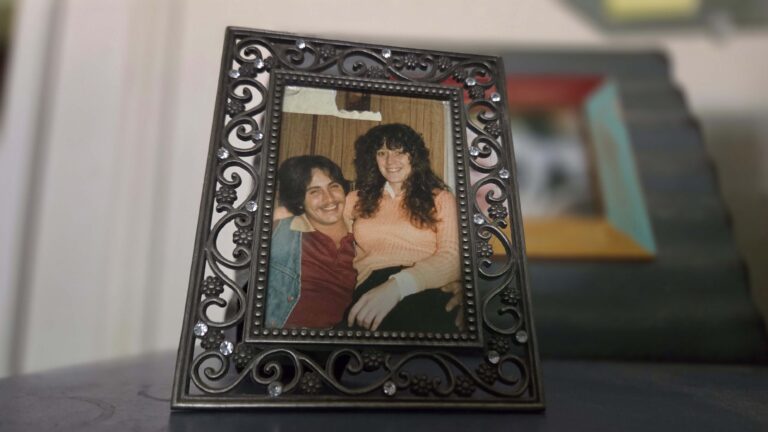
People carry entire lives inside them… thoughts they never said out loud, routines no one noticed, opinions that only came up in passing, stories that lived in conversation rather than images. A single photograph can’t contain all of that.
When someone is gone, what we wish we had kept isn’t always visual. It’s their voice. Their way of explaining things. Their memories that tell stories about our lives together. It’s insight into who they were as a human beyond appearances.
There are some things that we don’t know until after a loved one is gone but one thing I can guarantee you is that you will wish you knew more about them. You will wish you had asked more open ended questions about them (and maybe yourself if it’s a parent). You will want context… because without it people flatten over time.
This isn’t sentimentality so much as it’s recognizing that people live fully separate lives beyond your knowledge of them. That the version of them you hold isn’t the only version of them that exists. They were a child, a teenager, a friend, a mother, an employee, and a person before they were ______________ (insert role) to you.
With that in mind, preserving family history becomes less about only collecting photos and expands to consider what kinds of context we want to keep. So use this list below to give you ideas. If it feels overwhelming (because all things can) remember you don’t have to do all of these. Especially not every day. Maybe you choose one for a month or two or another. Remember, there are no rules here.
Losing my dad as a child and my mom in my twenties has shaped how I intentionally preserve my family’s life.
Practical ways to preserve a family history
Below are accessible, realistic ways to document a life… not as a checklist, but as options. You don’t need to do all of these. Even one or two can provide more context to who you or your family was to future generations.
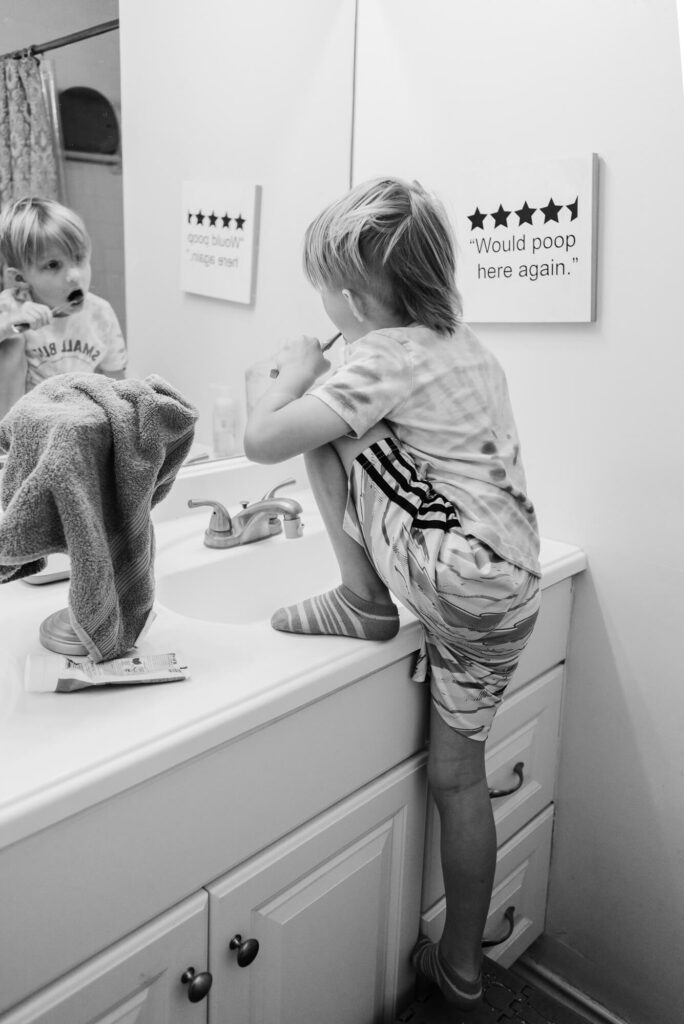
1. Documentary Style Photography
Photos are often the first thing people reach for, and for good reason. They anchor memory visually. They show faces, environments, and moments in time. Where photography becomes most meaningful is when it documents interaction rather than performance.
See more documentary style work here.
2. Voice recordings
Record voices in everyday moments: bedtime conversations, car rides, casual storytelling, someone explaining how they do something. Messy audio is better than none. I don’t do anything fancy here… I use an app called Voice Recorder on my phone. I do have conversations with people to let them know why this is important to me but I find it best to do it at times when you’re not recording so that people don’t feel self conscious. And please don’t come for me… don’t even act like our phones are not already recording things to learn and profit from us whereas I am recording to fully remember and enjoy another human being’s personality.
3. Documentary Style Video
Let the camera run during ordinary life… cooking, playing, talking, waiting. Avoid directing. The goal isn’t performance… it’s presence. This isn’t something you’re creating to share on social media necessarily. This is for your family.
4. Text messages and digital conversations
Screenshots of meaningful messages, inside jokes, and everyday check-ins act as modern letters. They preserve voice and relationship dynamics. Print them and include them in photo albums!
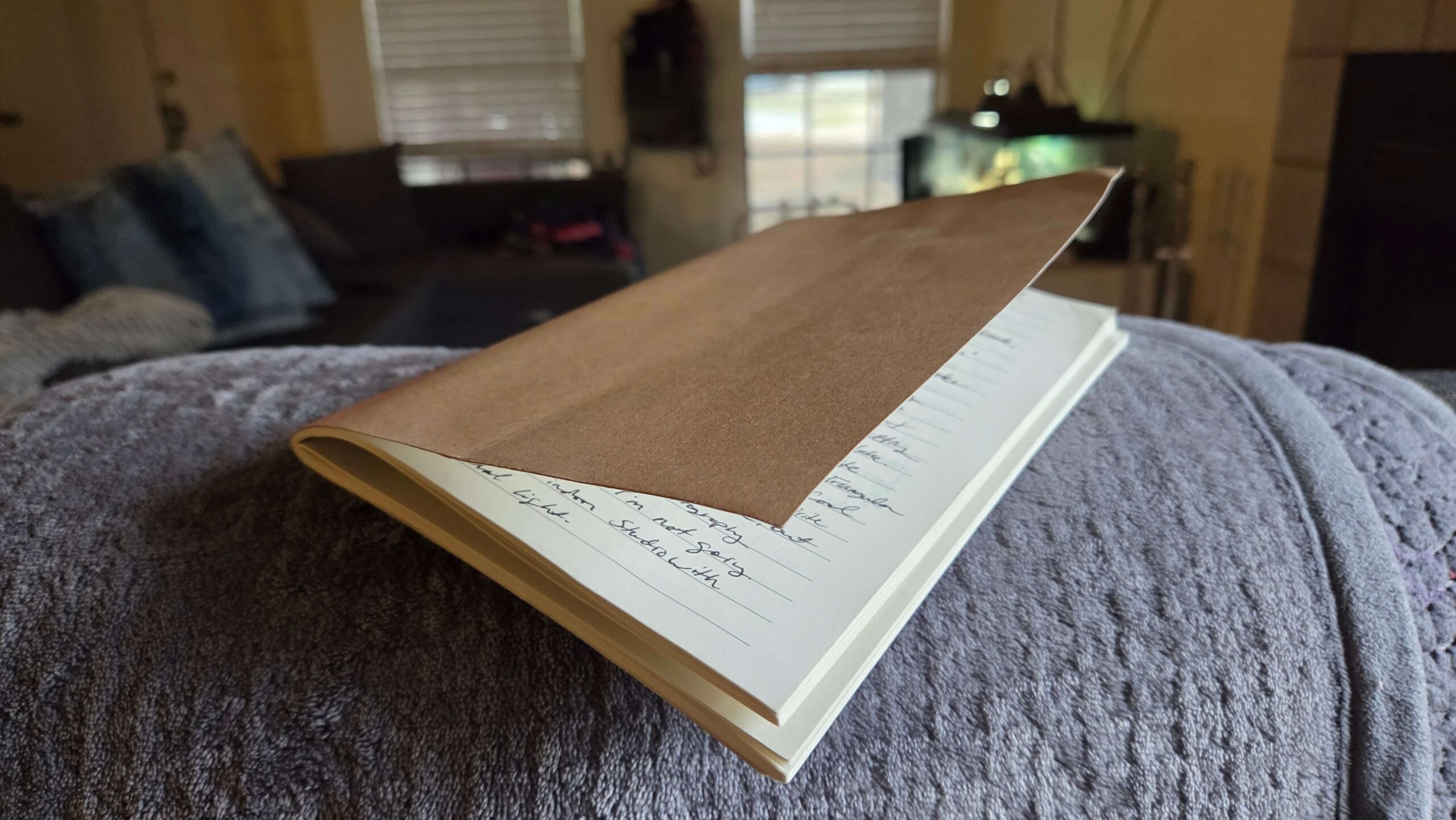
5. Writing and handwritten notes
Letters to children, notes about what life feels like right now, reflections during transitions. This isn’t a novel… this can be things like favorite saying, or your child’s favorite meal, lists, routines. You don’t need polished language. The point is to jot down what matters to you today or what you noticed.
6. Objects with lived-in meaning
Clothing that was worn often, handwritten recipes, tools someone used daily, books with notes in the margins. Objects are different from person to person… and preservation doesn’t have to mean holding onto things unnecessarily if you don’t plan to use it. You can frame the item in a shadow box or take a photo of it to put in an album.
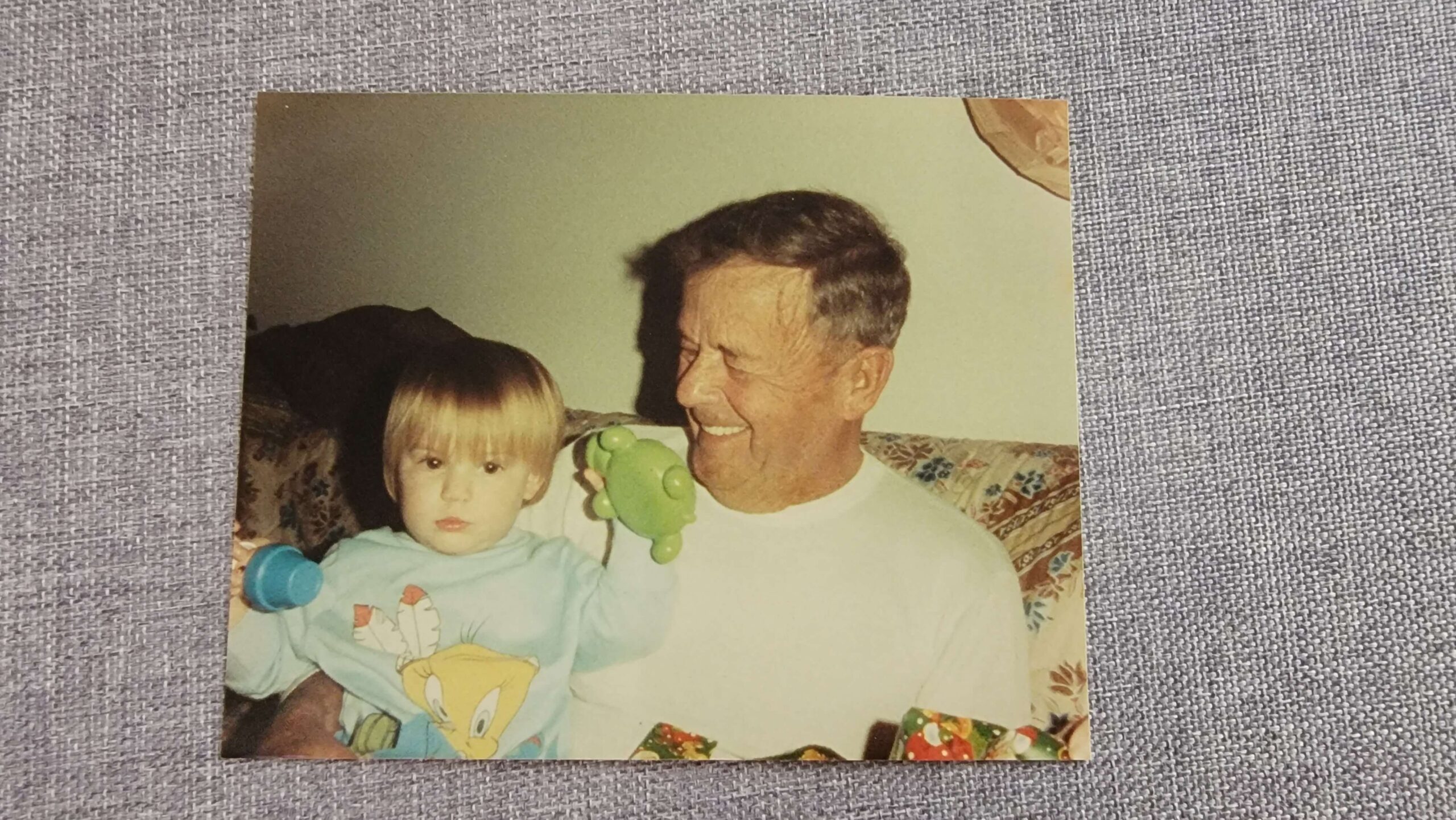
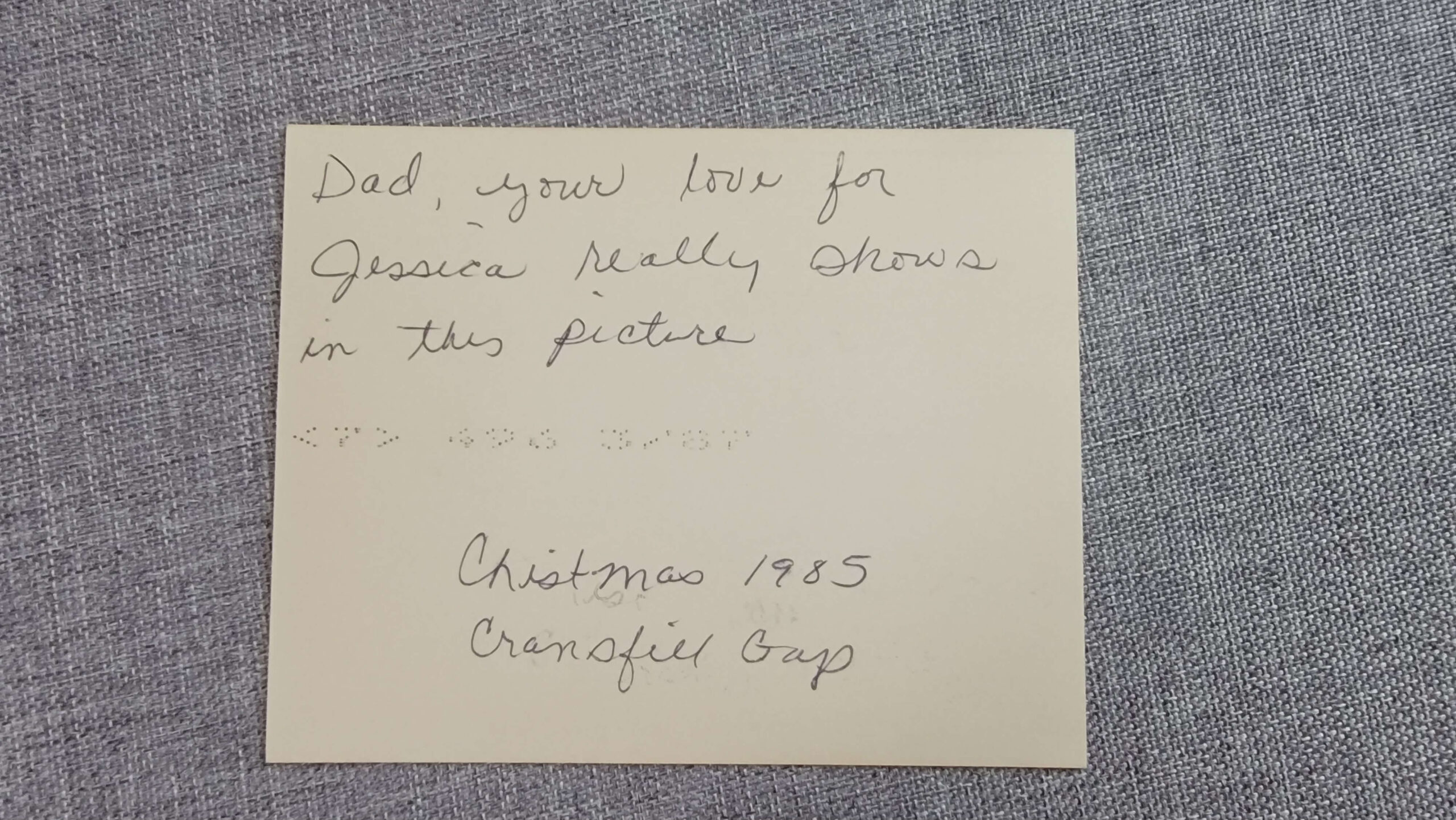
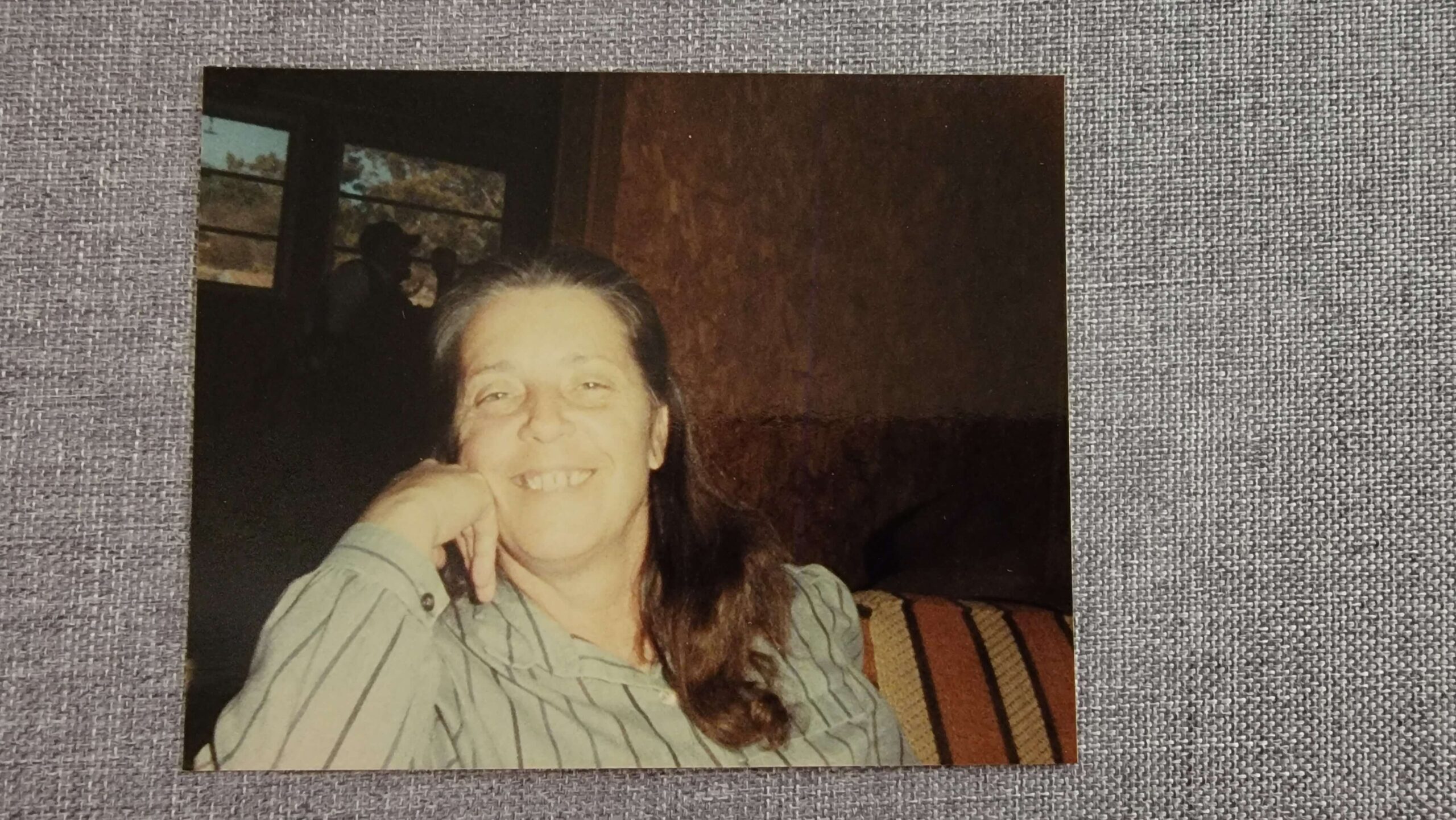
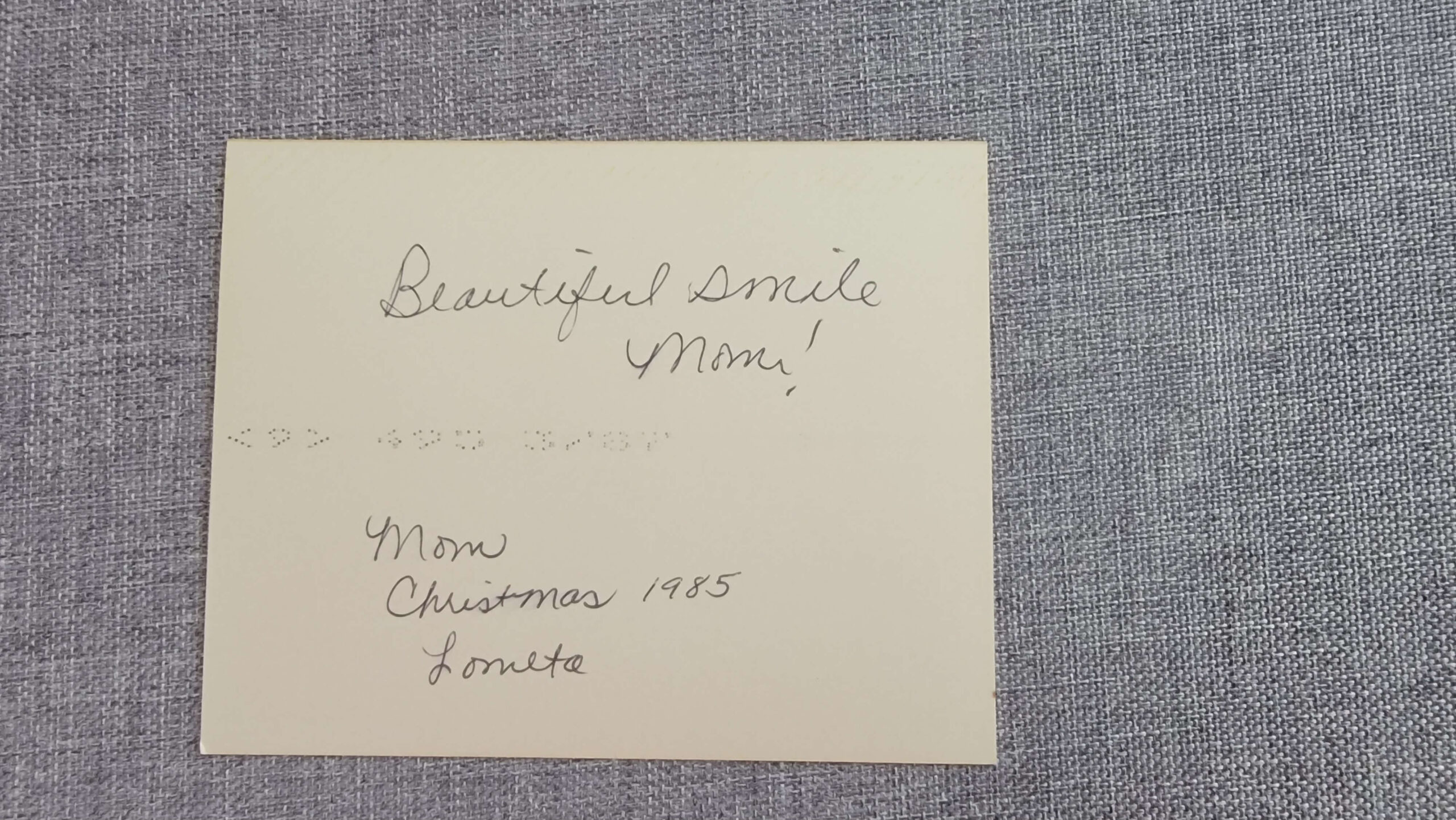
7. Written Notes for photos and objects
A few sentences explaining what was happening, how someone felt, or why something mattered can completely change how it’s understood later.



One Comment