
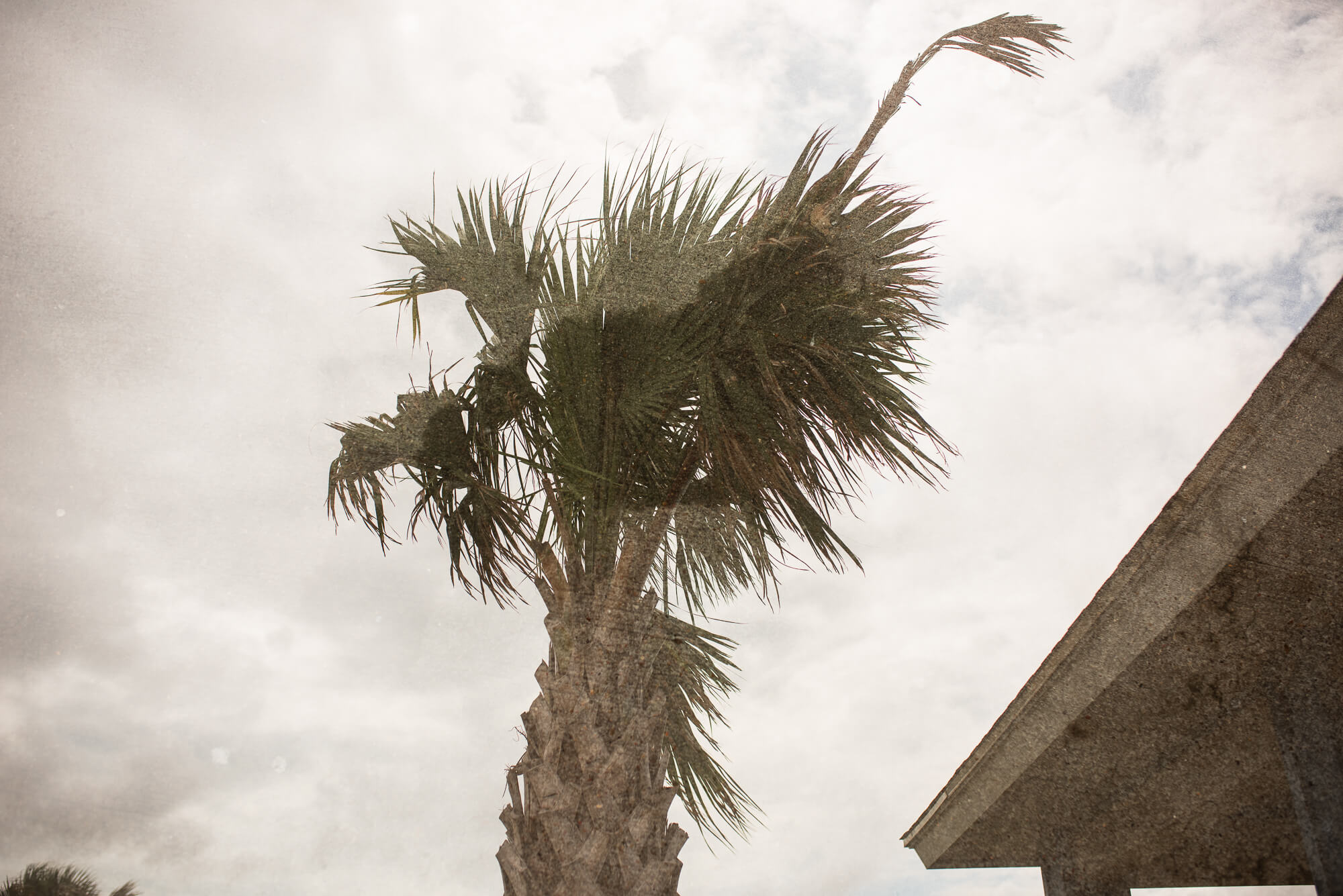
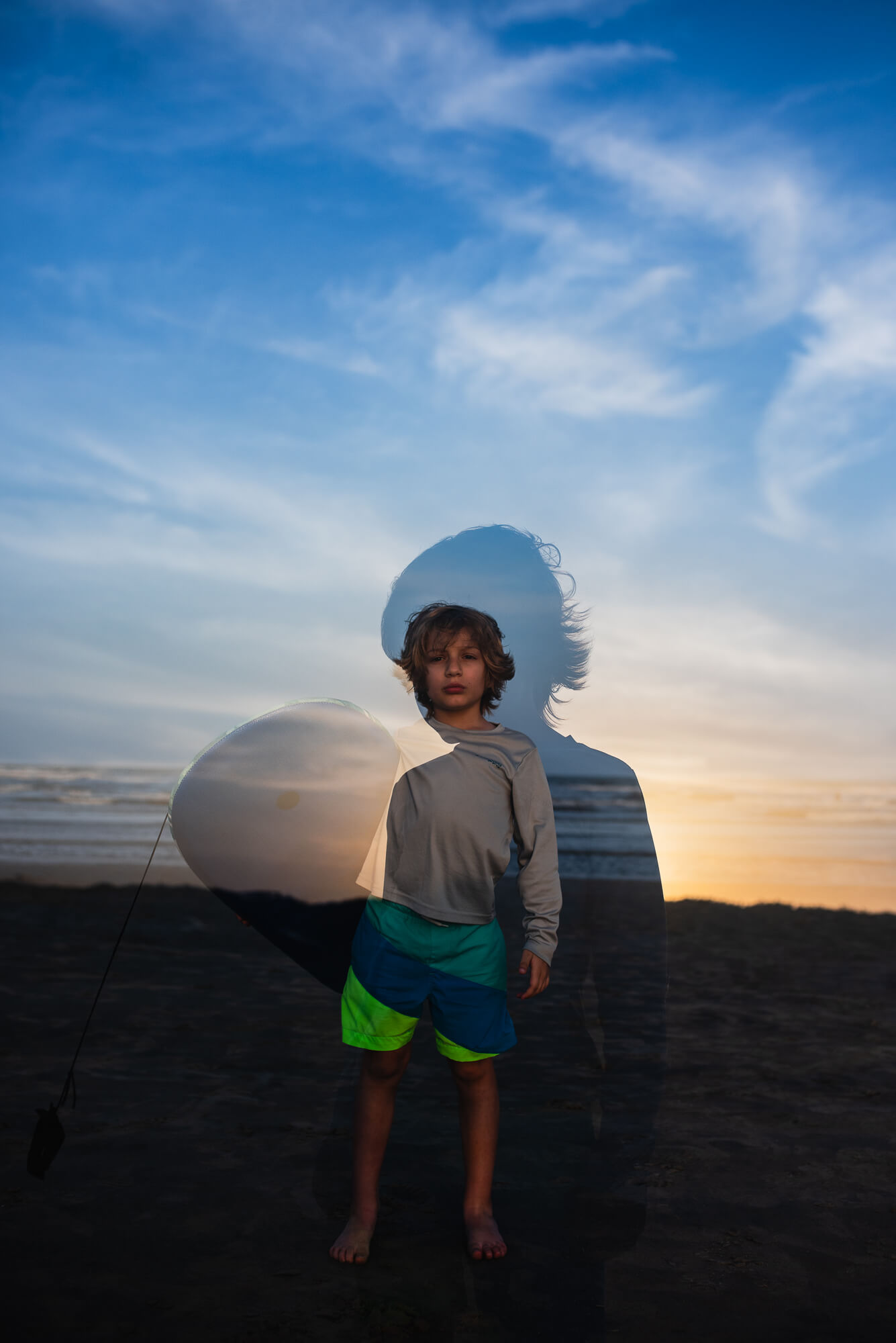
One of the things I’ve been working on lately is in camera double exposures. I have done these for a long time, but rarely am I happy with the results. The ones that I am normally happy with are the ones that I put together in photoshop after the fact or the types of double exposures that are more related to kind of an overlay texture versus a true combination of images. Now I know I can take two images and combine them in photoshop, but my goal is to get good at doing them on the fly. To see how the light and shadow would work in real time.
Double exposures, for anyone that doesn’t know, is when two photos get combined into a single frame. So what looks like one image is actually two layered on top of each other. This used to happen with film when a person would forget to move the exposure forward thereby “messing up” the photo. Some cameras, mine included, can do this in camera as you’re shooting, instead of blending two shots together later in editing.
Even though it used to be something that was like a screw up, it took on its own life when photographers purposely tried to do it. One of the hard parts of double exposures is that shadows and highlights don’t work the way you’d expect. Dark areas leave room for the 2nd image to come through. Bright areas just wash out whatever’s underneath. So for a double exposure to work, there needs to be dark spots and bright.
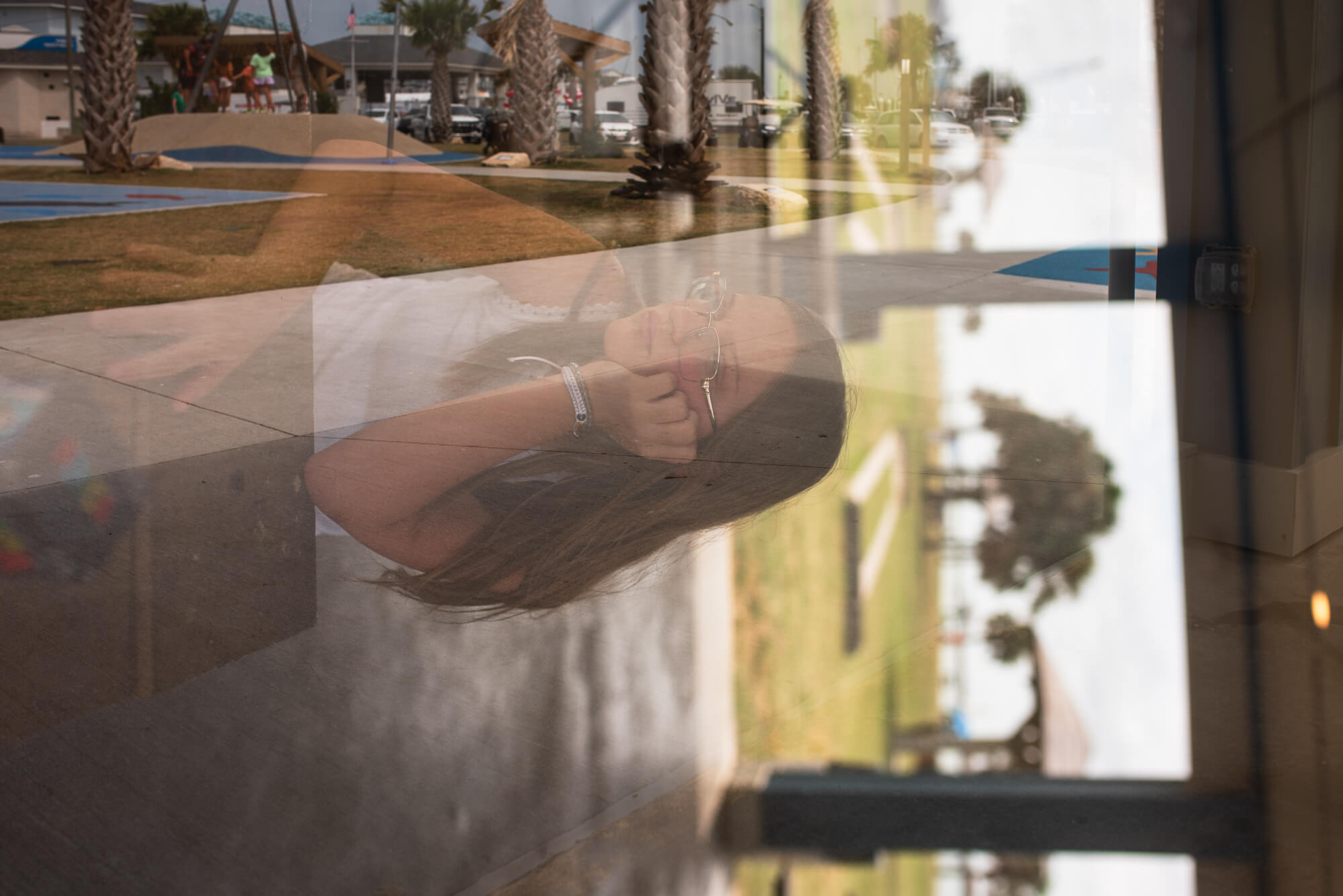
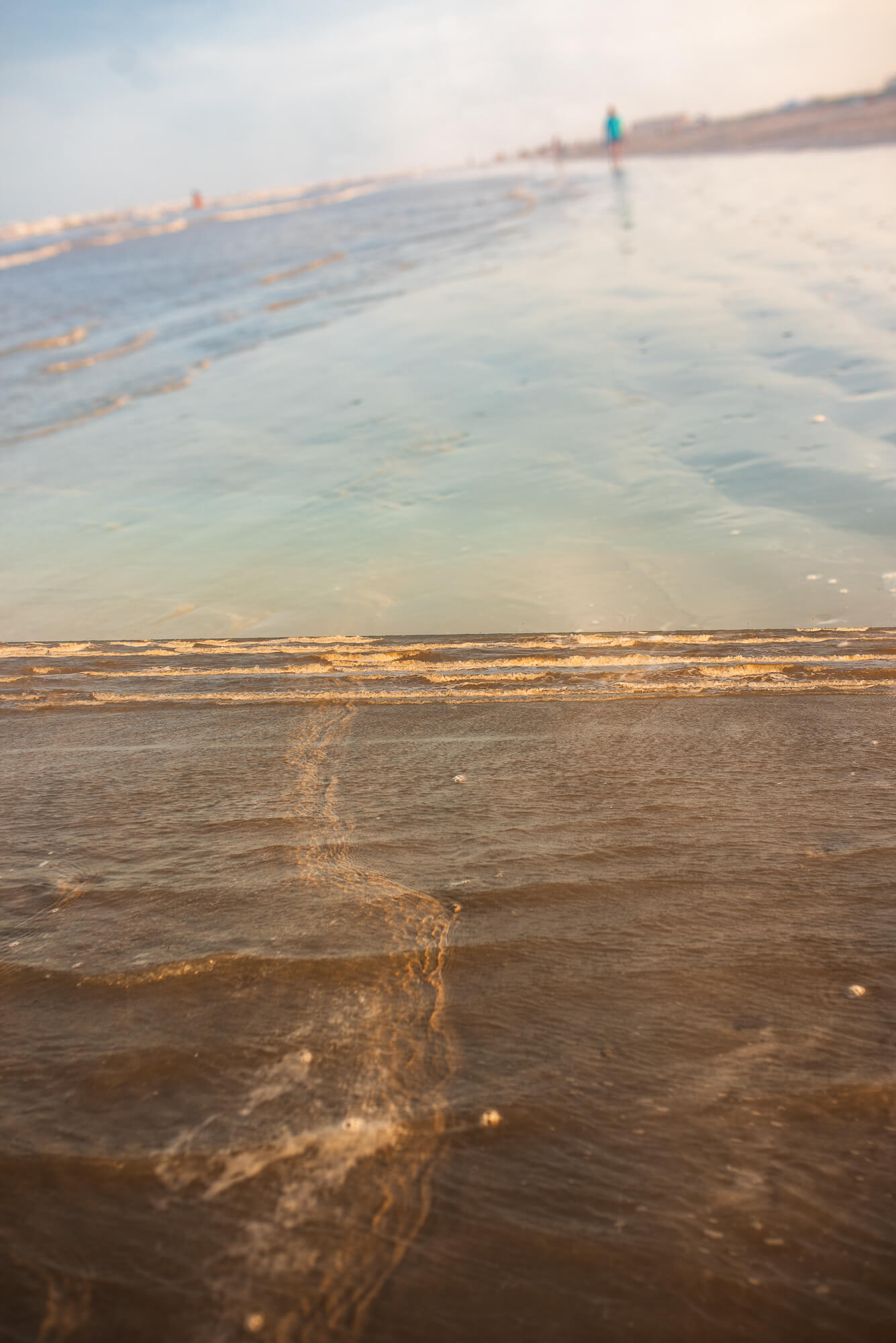
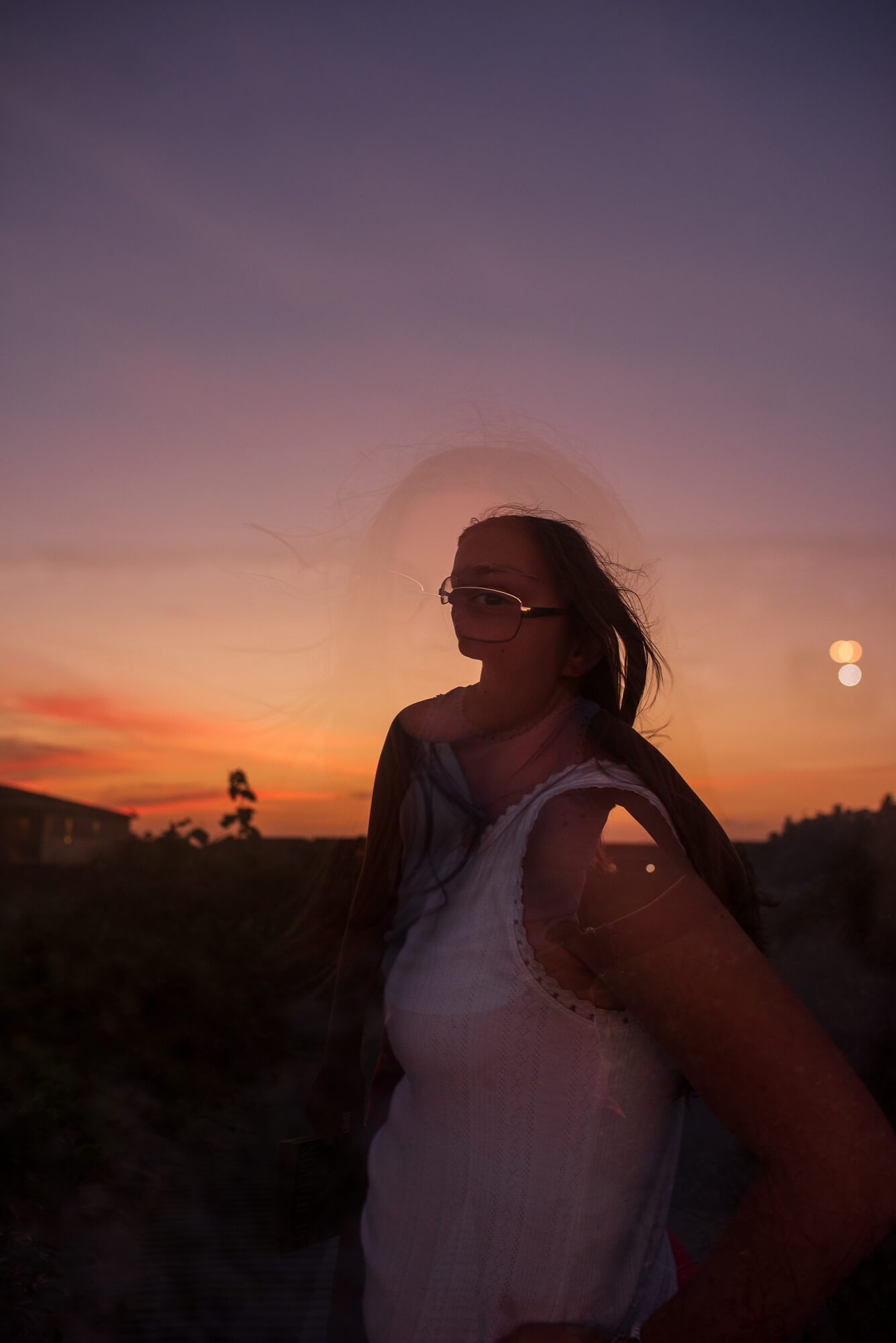
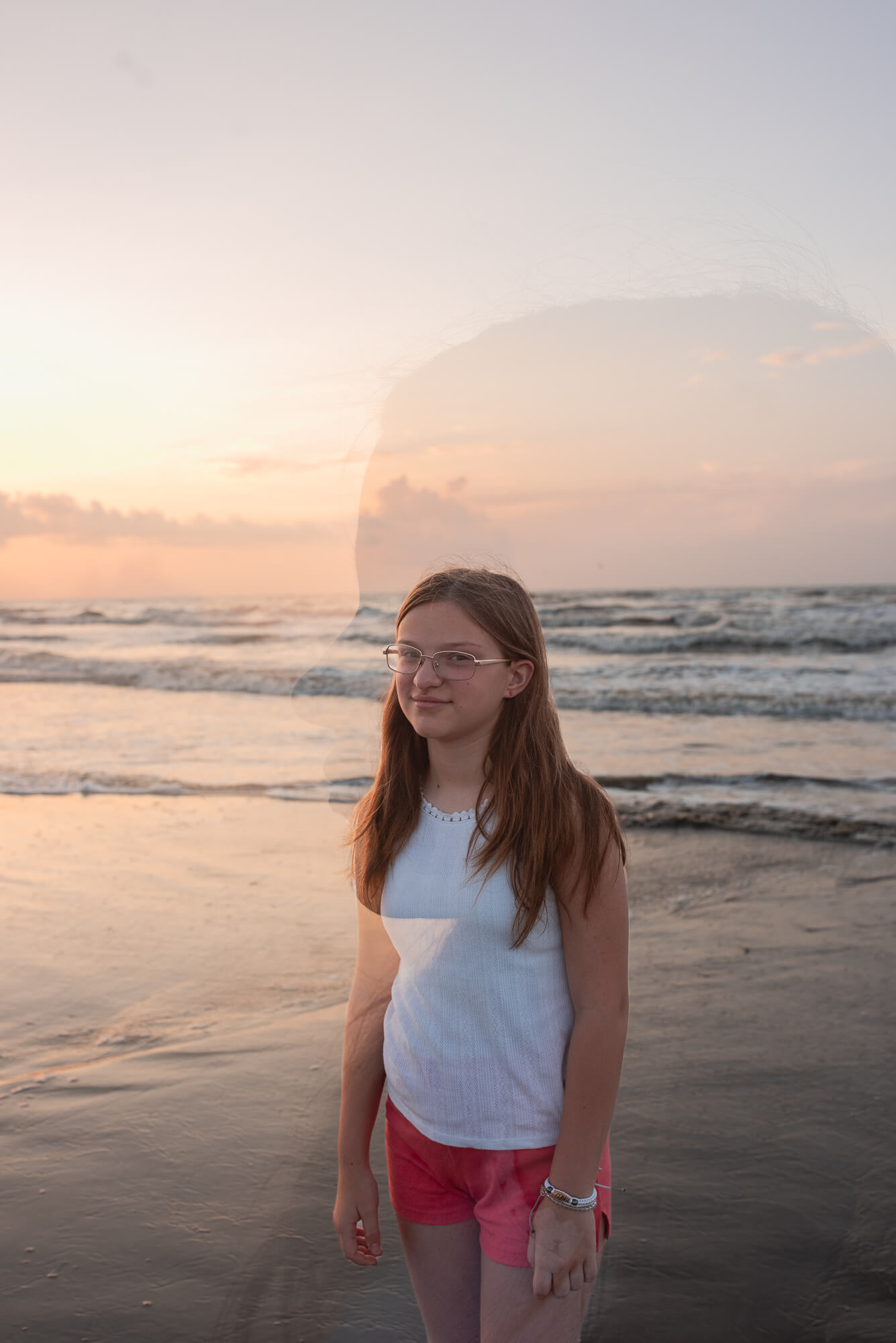
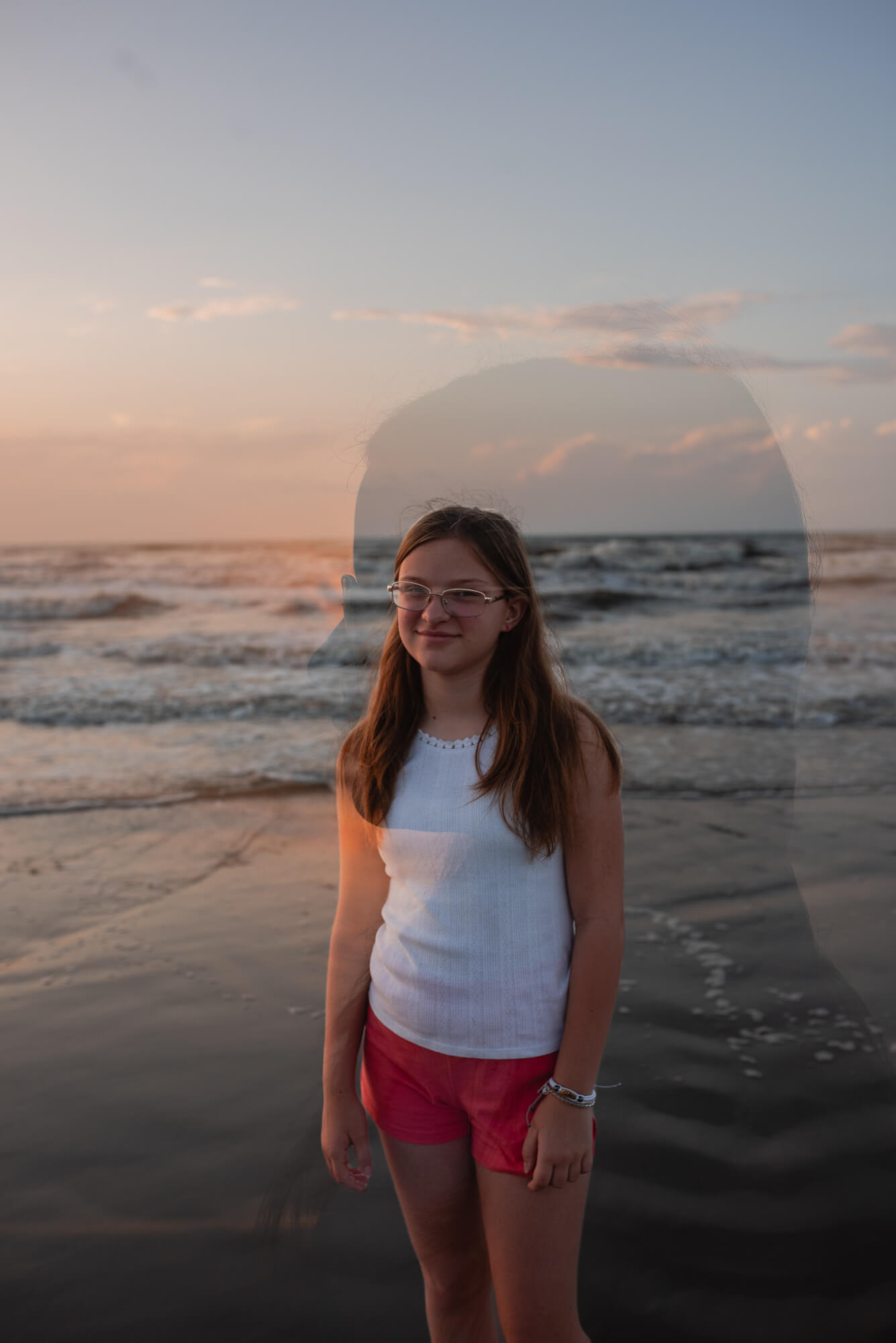
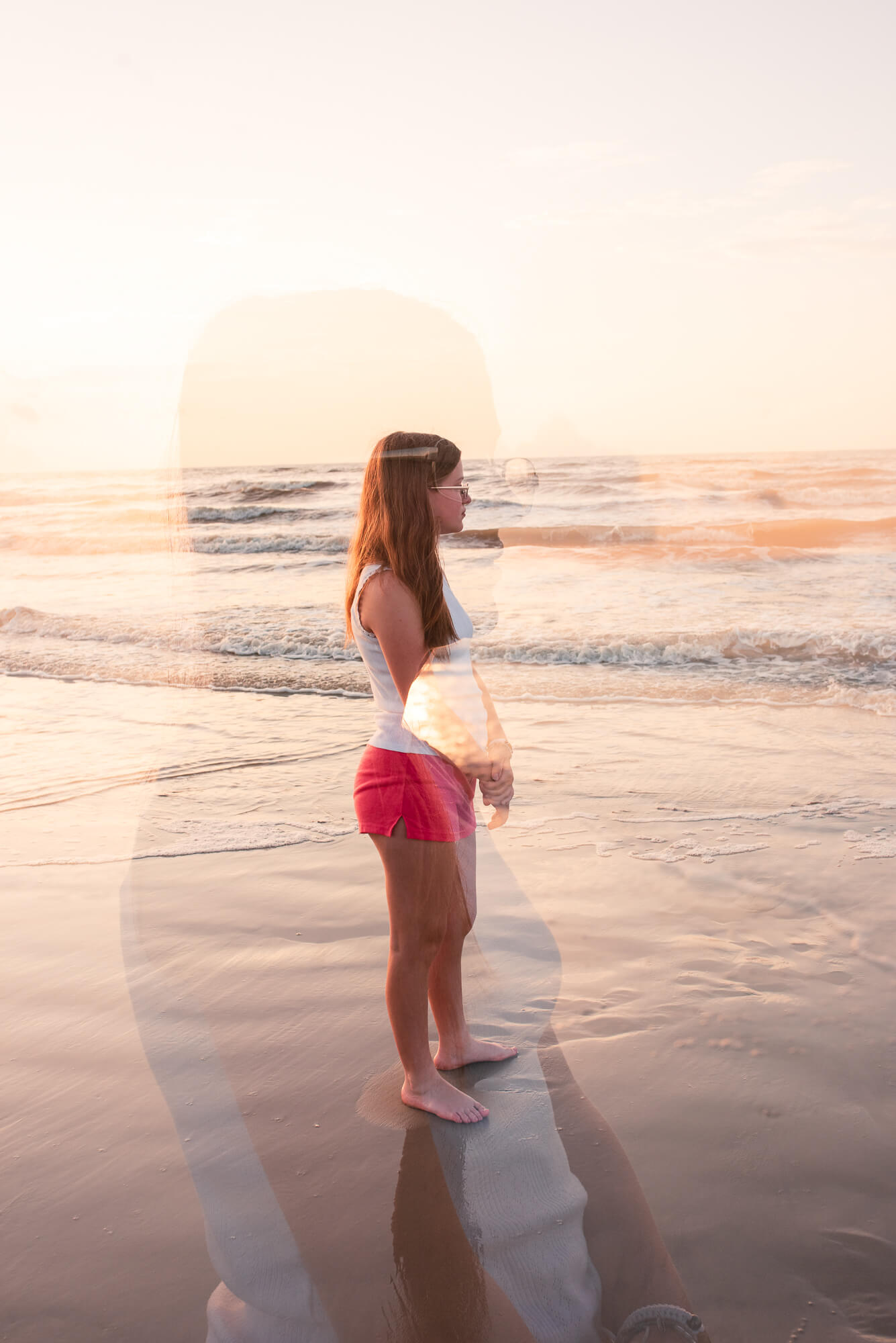
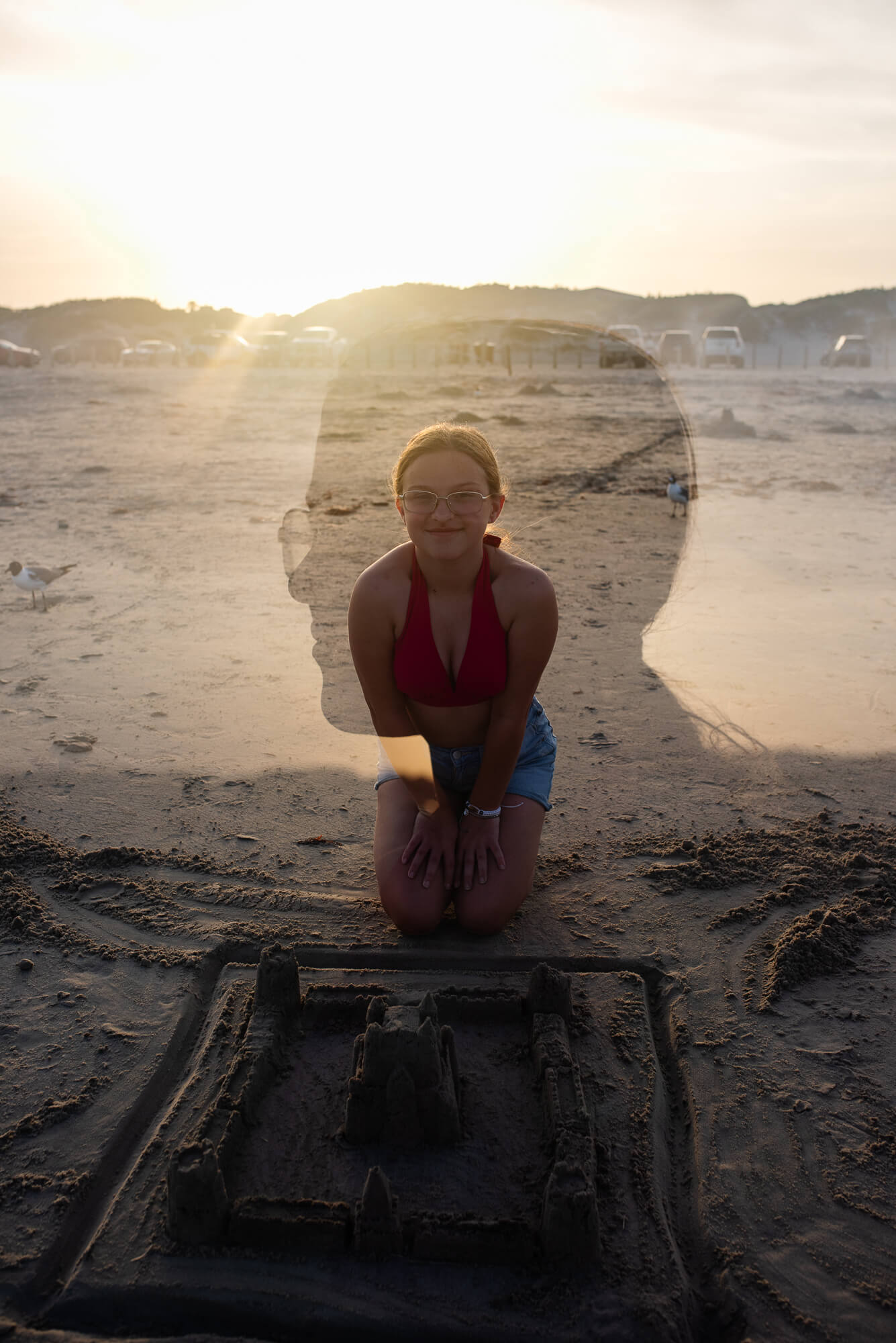
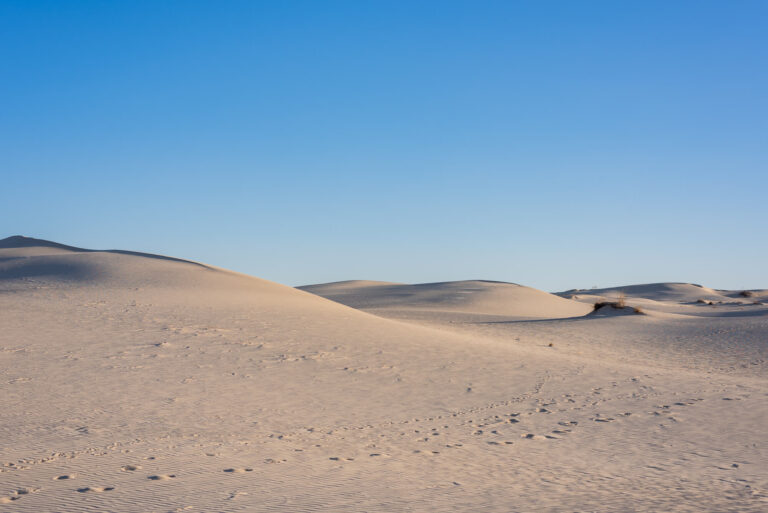
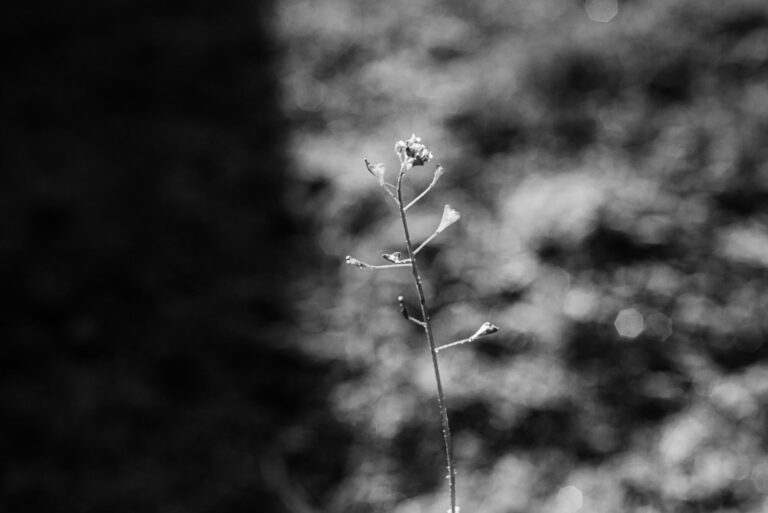
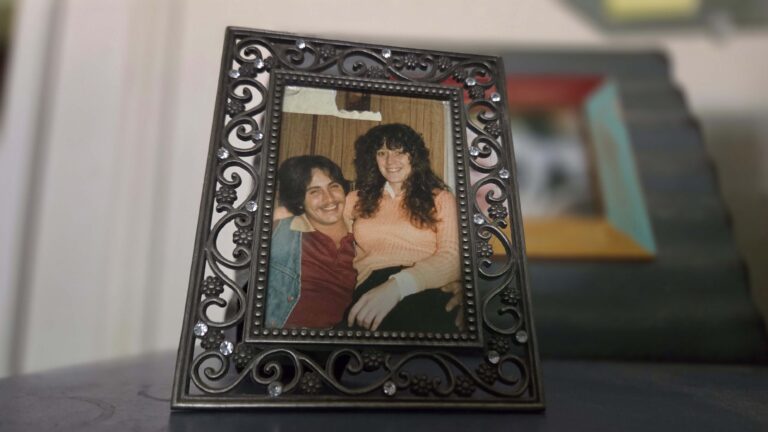
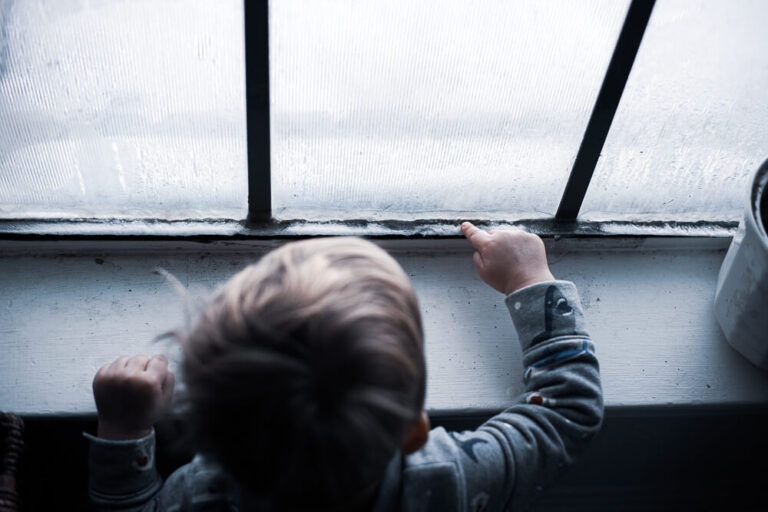
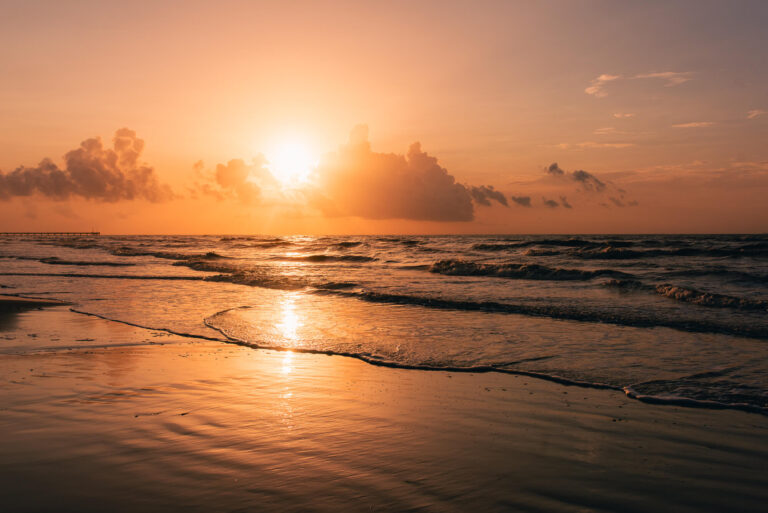
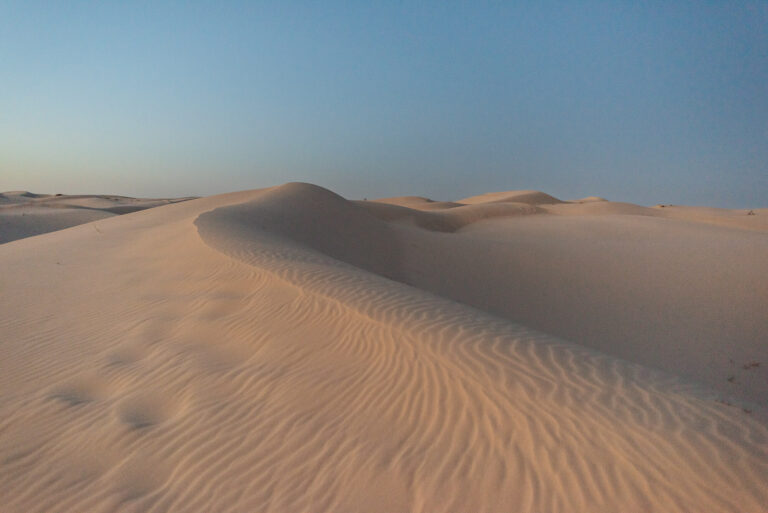
So let’s examine some of my failings from our beach vacation. Most of these didn’t work. The portrait over the park scene is too busy to read as anything, both frames trying to say something in the same spot. A few others feel more like accidents I got lucky with than anything I actually controlled. The one of my son on the beach is the closest, but I’m still struggling with how they’re combined. For most of these examples I was changing settings in between to darken one image and then brighten the next. My next plan is to reverse what I was trying. As an example I was darkening the first image or making it a silhouette and brightening the second but I’m considering trying the reverse for another experiment. I also need to work on making sure I’m shooting at different lengths from the subject so as not to have them too close like I did in the shot of my daughter below.
I’m not stopping though. The goal was never to nail this on one trip. It’s to get fast enough at reading light and shadow that I can pull this off without stopping to think it through first. That’s going to take a lot more failed attempts before it’s automatic, so consider this the first entry, not the last. Stay tuned for more updates to come!

One Comment